MACD Study
By Samantha Baltodano
TL;DR:
The MACD indicator plots the difference between two moving averages for a security. Its value indicates changes in the direction and the strength of a trend.
What Is the MACD Study?
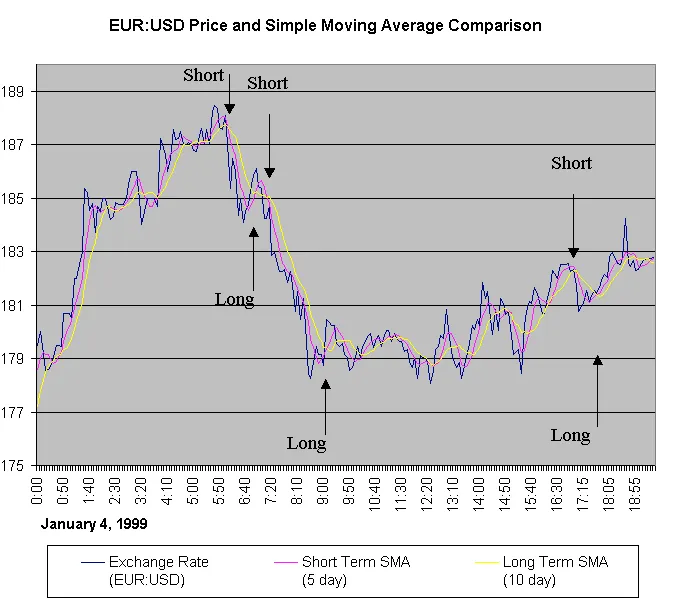
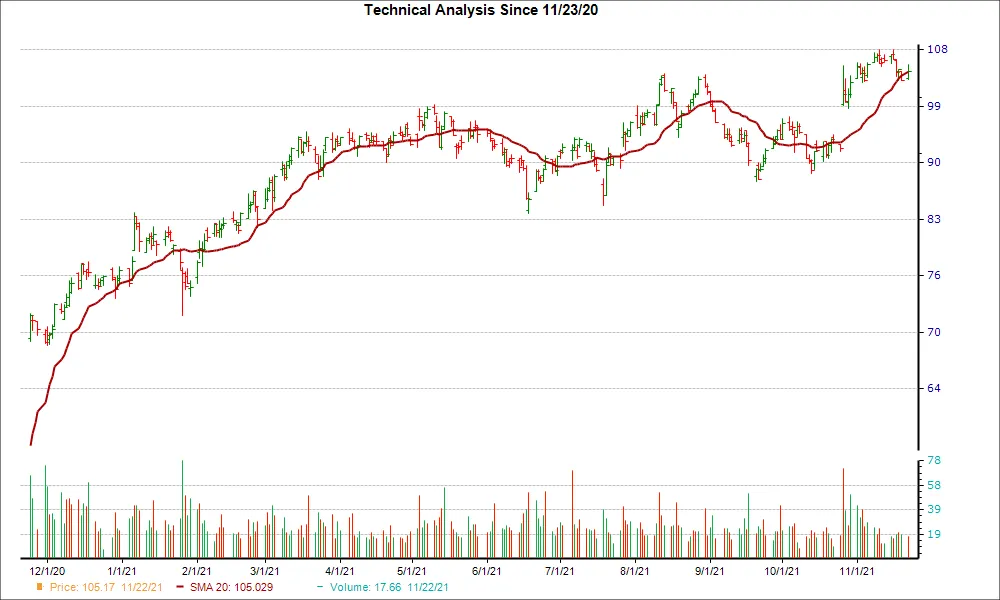
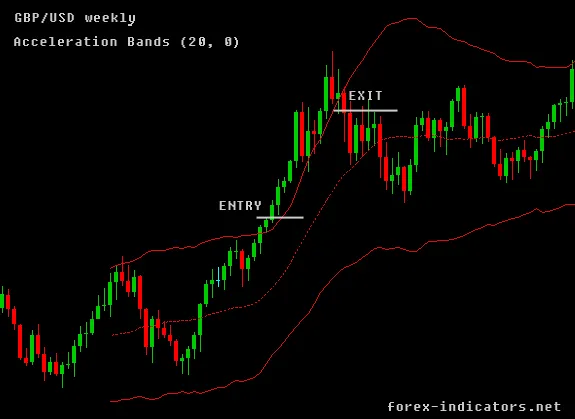
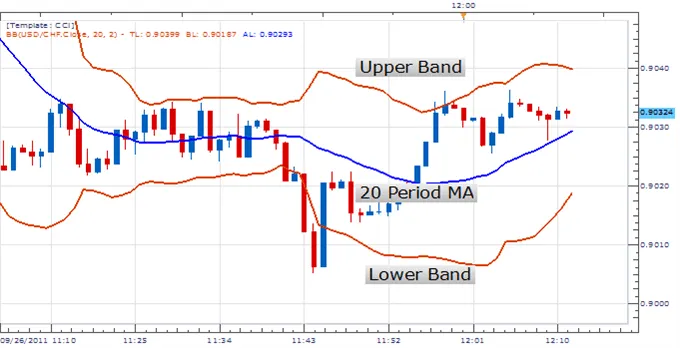
MACD (Moving Average Convergence/Divergence) is an oscillator study that shows the relationship between two moving averages (typically EMA) of a security’s price.
It is used by traders to identify changes in direction or strength of a stock’s price trend. It can help investors detect when the recent momentum in a stock’s price might signal a change in its underlying trend.
The MACD line is calculated by subtracting a long term moving average from a short term moving average of your choosing.
This technical indicator also provides a signal line, an average of that difference. For example, you might plot a 9-day moving average of the MACD historical values.
Trade Signals and Formula
The MACD trade signals and formula are outlined in the corresponding MACD Strategy.
Interpreting the MACD Study
The difference between the MACD and signal values is plotted as a histogram, which may sometimes give you an early sign that a crossover is about to happen.
If MACD is above the signal line, the histogram will be above the MACD’s baseline, or zero line.
If MACD is below its signal line, the histogram will be below the MACD’s baseline.
Investors use the MACD histogram to identify when bullish or bearish momentum is high—and possibly overbought / oversold.
MACD indicators can be interpreted in many ways, but the most common methods are crossovers, divergences, and rapid rises/falls.
MACD Crossovers
When the MACD value falls below the signal line, it is a bearish signal. This indicates that it is time to sell.
Conversely, when MACD rises above the signal line, the indicator gives a bullish signal. This suggests that the price of the stock will experience upward momentum.
Some traders wait for a confirmed cross above the signal line before entering a position to reduce the chances of being faked out and entering a position too early.
That said, crossovers are more reliable when they conform to the prevailing trend.
For example, if the MACD value crosses above its signal line after a period of downside correction within a longer-term uptrend, this qualifies as a bullish confirmation and indicates the uptrend will likely continue.
And, if MACD crosses below its signal line following a brief move higher within a longer-term downtrend, traders would consider that a bearish confirmation.

Source: Investopedia (2022)
Figure 1: Bearish confirmation
MACD Divergence
When MACD forms highs or lows that exceed the corresponding highs and lows on the price, this is called a divergence.
A bullish divergence happens when MACD forms two rising lows that correspond with two falling lows on the price. This is a valid bullish signal when the long-term trend is still positive.
Some traders will look for bullish divergences even when the long-term trend is negative because they can signal a change in the trend, although this technique is less reliable.
When MACD forms a series of two falling highs that correspond with two rising highs on the price, a bearish divergence has been formed. A bearish divergence that appears during a long-term bearish trend is considered confirmation that the trend is likely to continue.
Some traders will watch for bearish divergences during long-term bullish trends because they can signal weakness in the trend. However, it is not as reliable as a bearish divergence during a bearish trend.

Source: Investopedia (2022)
Figure 2: Bearish Divergence
Rapid Rises or Falls
When MACD rises or falls rapidly (the shorter-term moving average pulls away from the longer-term moving average), it is a signal that the security is overbought or oversold and will soon return to normal levels. Traders will often combine this analysis with the RSI or other technical indicators to verify overbought or oversold conditions.

Source: Investopedia (2022)
Figure 3: Overbought Signals
It is not uncommon for investors to use the MACD’s histogram the same way that they may use the MACD itself. Positive or negative crossovers, divergences, and rapid rises or falls can be identified on the histogram as well. Some experience is needed before deciding which is best in any given situation, because there are timing differences between signals on the MACD and its histogram.
Summary
- The MACD line is calculated as the difference between a short term moving average and a long term moving average. A signal line is calculated as an average of the MACD plot.
- Trade signals occur when the MACD line crosses above the signal line (buy) or falls below it (sell).
- MACD can help gauge if a security is overbought or oversold, alerting traders to the strength of a directional move, and warning of a potential price reversal.
- MACD can also alert investors to bullish/bearish divergences (e.g., when a new high in price is not confirmed by a new high in MACD, and vice versa), suggesting a potential failure and reversal.
- After a signal line crossover, it is recommended to wait for three or four days to confirm that it is not a false move.
MACD is just one of many studies that Archaide automates. For a full list of strategies and studies available click here.
Like what you read? Check out the rest of our content!