What Is Reversal?
By Samantha Baltodano
TL;DR:
A reversal in trading refers to a change in the direction of an asset's price trend. This can present new opportunities for traders and may be signaled by a variety of factors, including market news and sentiment. Technical analysis tools such as chart patterns and indicators may be used to identify potential reversals. There are several types of reversals, including trend reversals, bullish reversals (a change from bearish to bullish), and bearish reversals (a change from bullish to bearish).
What Is Reversal?
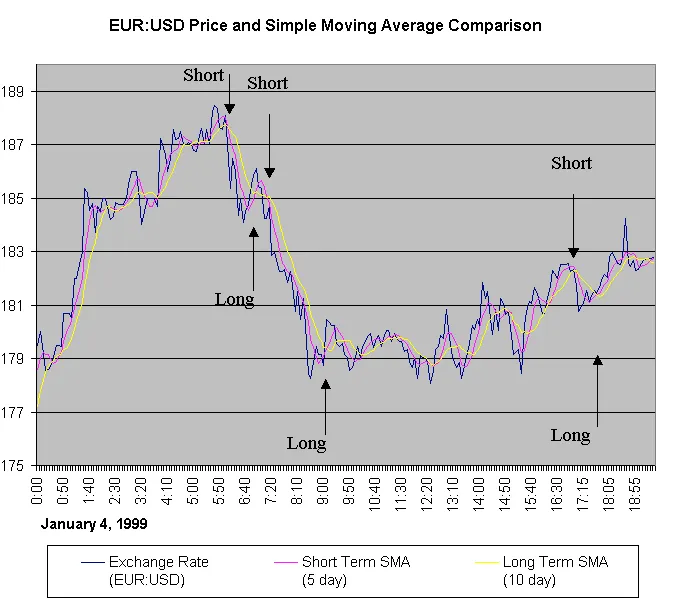
Reversal is a term used in trading to describe a change in the direction of a price trend. In other words, a reversal is when an asset's price stops going in one direction and starts going in the other direction.
This can be a significant event for traders because it can signal a change in the underlying trend of the asset and potentially present new trading opportunities.
Example
Let’s take a look at an example of reversal in the stock market:
Imagine that you are tracking the price of a particular stock and you notice that it has been steadily declining for the past few weeks. Based on this trend, you decide to sell your shares in the stock.
However, a few days later, you notice that the price of the stock starts to rise. This sudden change in direction could be considered a reversal, as the price of the stock has stopped declining and has started to increase instead.
If you had sold your shares based on the previous downward trend, this reversal could present an opportunity to buy back into the stock at a potentially lower price.
On the other hand, if you were holding onto the stock, the reversal could be a sign that the downward trend has ended and that the price of the stock is starting to recover.
Types of Reversals
There are several types of reversals that traders may look for, including:
- Trend Reversals: This type of reversal occurs when an asset's price trend changes direction after a prolonged move in one direction. For example, if an asset has been trending upwards for an extended period of time and then begins to decline, this could be considered a trend reversal.
- Bullish Reversals: A bullish reversal is a term used to describe a situation where an asset's price trend changes from bearish (declining) to bullish (increasing). This can be a sign that the asset is starting to gain strength and may be a good opportunity to buy.
- Bearish Reversals: A bearish reversal is the opposite of a bullish reversal, and it occurs when an asset's price trend changes from bullish to bearish. This can be a sign that the asset is starting to lose strength and may be a good opportunity to sell.
–
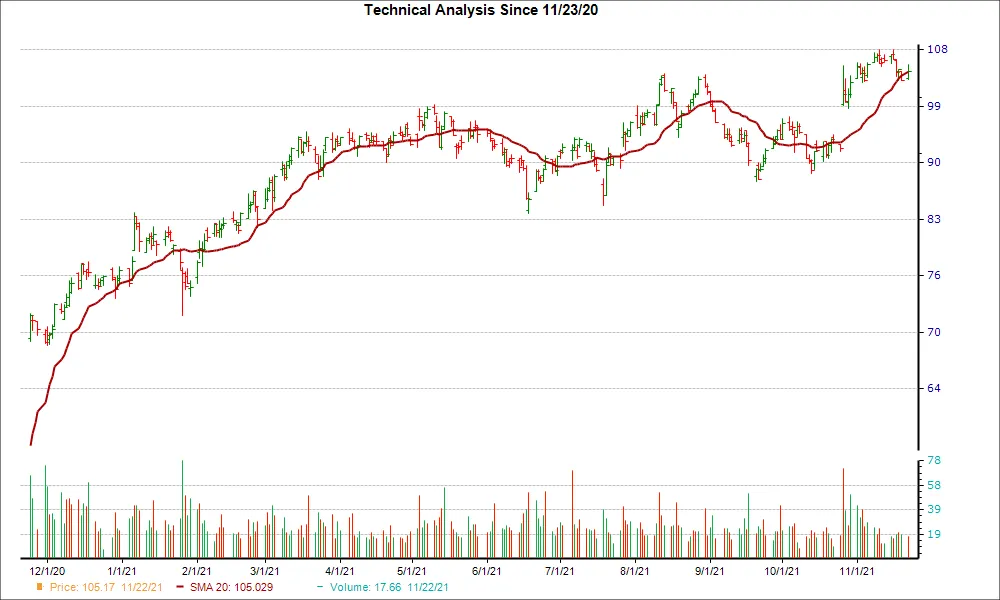
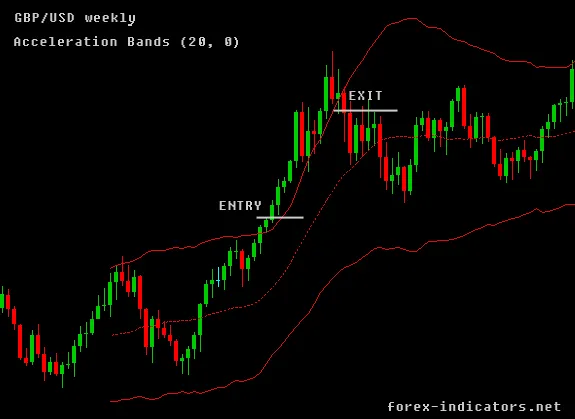
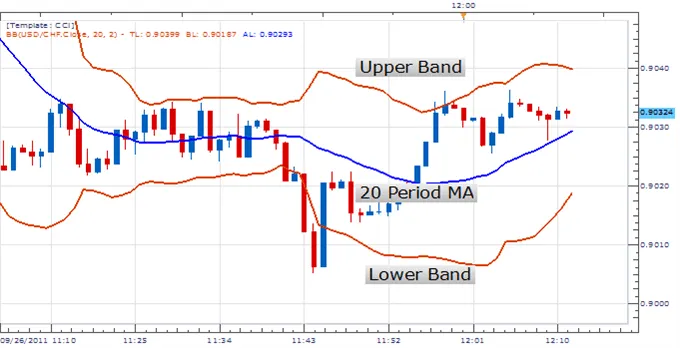
It's important to note that reversals are not always easy to predict and can be influenced by a variety of factors, including market news and sentiment. As such, traders often use various technical analysis tools, such as chart patterns and indicators, to identify potential reversals in the market.
Summary
- Reversal refers to a change in the direction of an asset's price trend
- This can signal a change in the underlying trend of the asset and present new trading opportunities
- Types of reversals include trend reversals, bullish reversals, and bearish reversals
- Reversals may be influenced by market news and sentiment and may be identified using technical analysis tools such as chart patterns and indicators
Like what you read? Check out the rest of our content!